
How to Choose the PCBA Manufacturer
Table of Contents
How to Choose the Right PCB Assembly (PCBA) Manufacturer
Selecting the right PCB assembly (PCBA) manufacturer is a critical step to ensure stable product performance, reduce production risk, and accelerate time to market. A reliable partner does more than meet quality requirements. The best manufacturers also support you across component sourcing, engineering, cost optimization, and schedule control, giving your product a long-term competitive edge.
Why Choosing the Right PCBA Partner Matters
A high-quality PCBA manufacturer directly affects your yield rate and brand reputation. Experienced factories typically provide:
Robust quality systems (e.g., ISO 9001, IPC-A-610)
Complete SMT and THT capabilities
Transparent supply chains with anti-counterfeit controls
Responsive engineering and after-sales teams
By contrast, working with unqualified vendors can lead to solder defects, material shortages, rising rework costs, and delays. In severe cases, launches slip and customer satisfaction plummets.
Step 1: Define Your Project Requirements Before Selecting a Supplier
Technical Specifications Checklist
Clarify your PCB and assembly parameters up front:
Board layer count and materials (FR-4, aluminum, flex, etc.)
Component density and special processes (BGA, QFN, RF circuits)
Product lifetime and operating environment (temperature, humidity, EMC)
Prepare a complete BOM, Gerber files, and assembly notes to avoid quote errors and shorten evaluation time.
Production Scale
Identify your stage: prototype, pilot, or mass production. Line setups and inventory strategies vary widely. Large factories often hold cost advantages in mass production, while small and mid-sized manufacturers are more agile for rapid iterations. Availability of a dedicated quick-turn line will largely determine prototype lead time.
Scope of Services
Decide whether you need turnkey service, including:
Component procurement and approved alternatives management
Test fixture development and functional testing
Packaging, logistics, and export customs
An end-to-end partner reduces coordination overhead and improves controllability.
Step 2: Evaluate Manufacturing and Assembly Capabilities
Equipment and Technical Maturity
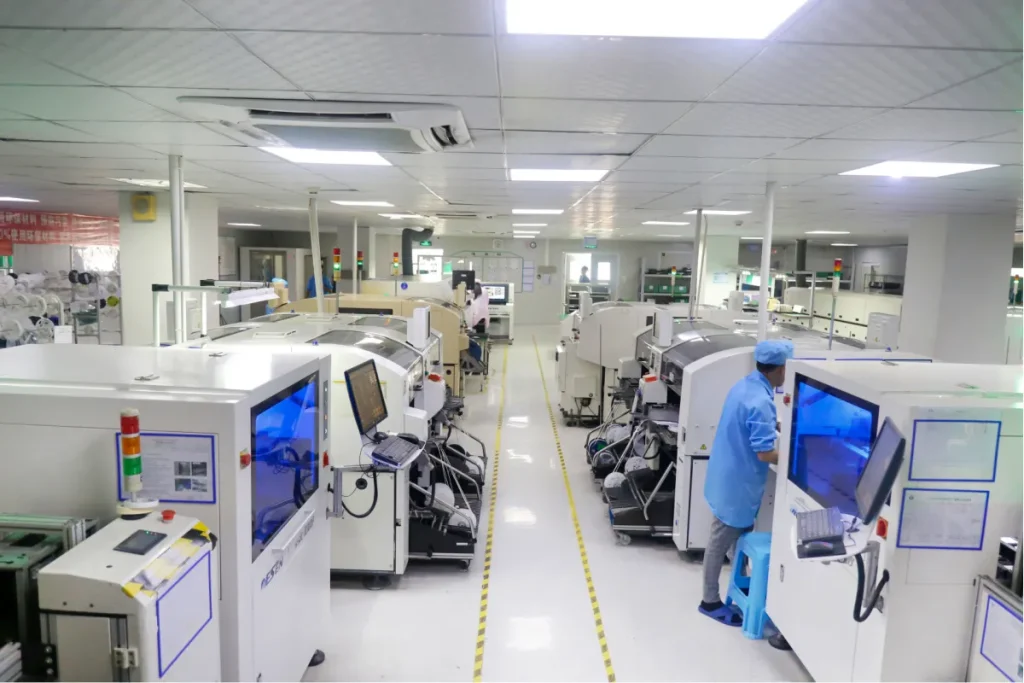
Advanced lines underpin stable quality. A qualified PCBA factory should have:
Fully automated SMT lines (supporting 01005, BGA, double-sided placement)
Wave soldering, selective soldering, and automated dispensing
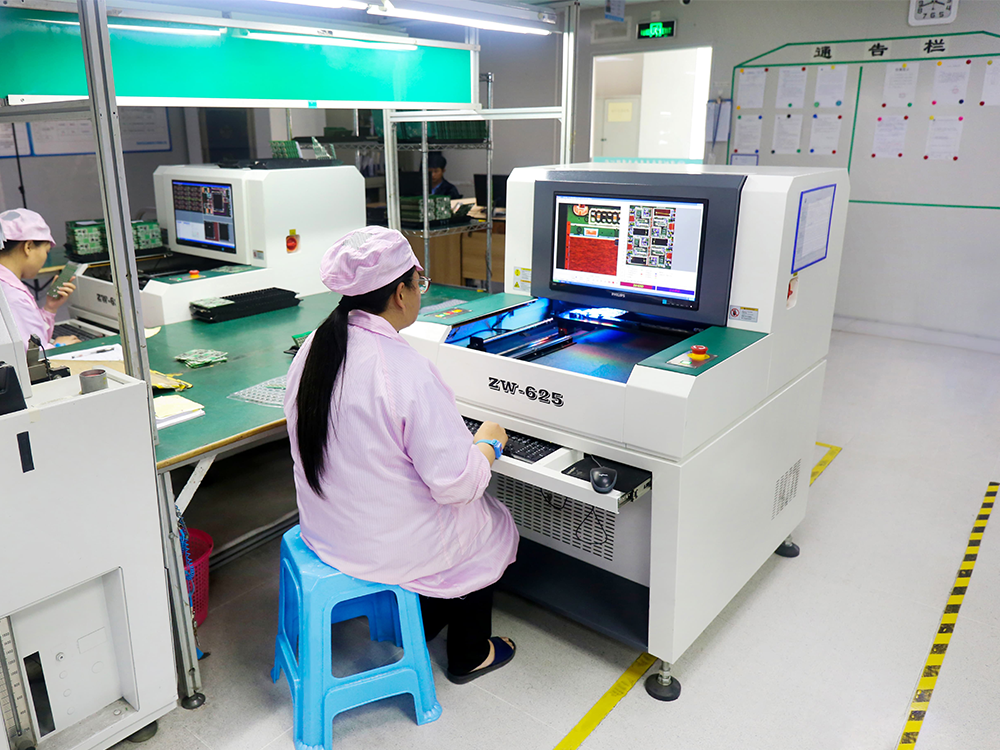
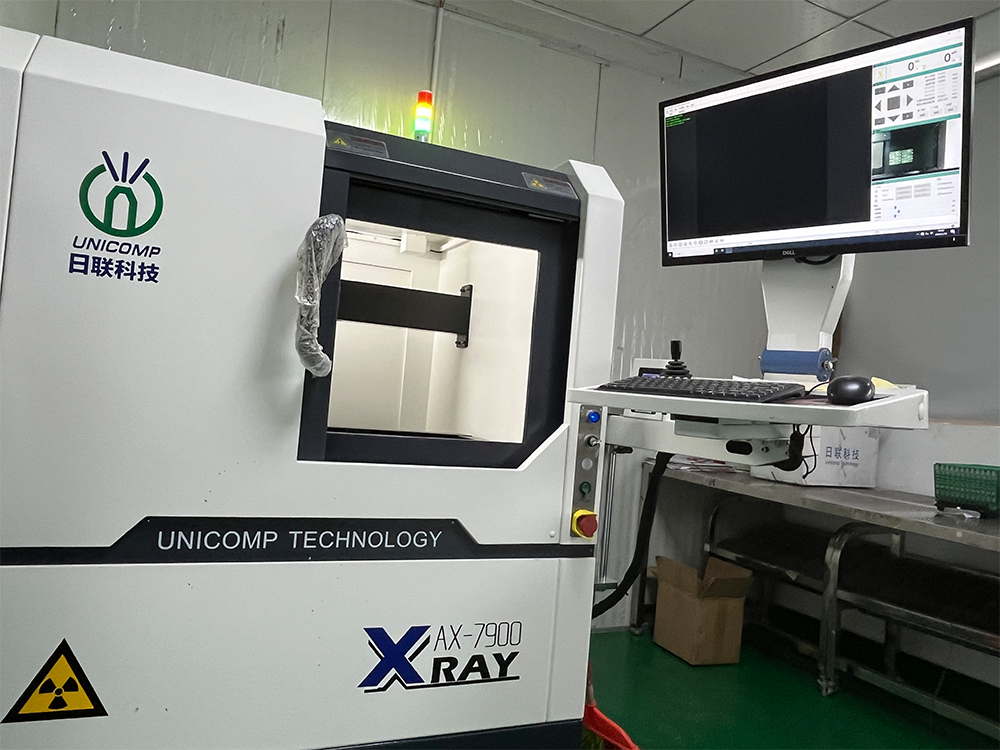
AOI and X-ray inspection systems
Lead-free reflow ovens with intelligent thermal profiling
Together these ensure high-precision assembly and consistent solder quality.
Process Control and Quality Consistency
Top manufacturers employ MES for full traceability and real-time capacity monitoring, so every lot can be traced to specific stations and materials.
Key checkpoints:
SMT and THT throughput
Process certifications (IPC-A-610 Class 2/3)
Automated inspection coverage (AOI/X-ray ratios)
Lot traceability and standardized production reporting
Step 3: Review Quality Assurance and Certifications
High-quality PCBA depends on standardized inspection systems and rigorous process control.
Common Certifications
ISO 9001: General quality management
ISO 13485: Medical electronics
IATF 16949: Automotive electronics
UL, RoHS, REACH: Safety and environmental compliance
Test and Inspection Flow
SPI solder paste inspection
AOI visual inspection
X-ray for hidden joints (BGA/QFN)
ICT in-circuit testing and FCT functional testing
Quality Tiers at a Glance
| Item | Top-Tier Manufacturer | Standard Plant | Low-Cost Subcontractor |
|---|---|---|---|
| Certification System | Comprehensive ISO/IATF/IPC | Partial certifications | No formal system |
| Inspection Coverage | AOI + X-ray + ICT | Mainly AOI | Visual checks only |
| Traceability | End-to-end QR code tracking | Manual records | None |
| Yield Rate | > 99.5% | ~97% | Unstable |
Step 4: Assess Component Sourcing and Supply Chain Strength
Authorized Channels
Prefer PCBA suppliers with access to authorized distribution (e.g., Digi-Key, Mouser, Avnet) to ensure authenticity and inventory stability.
Anti-Counterfeit and Incoming Inspection
Mature factories typically implement:
AVL (Approved Vendor List) control
AQL sampling with lot reports
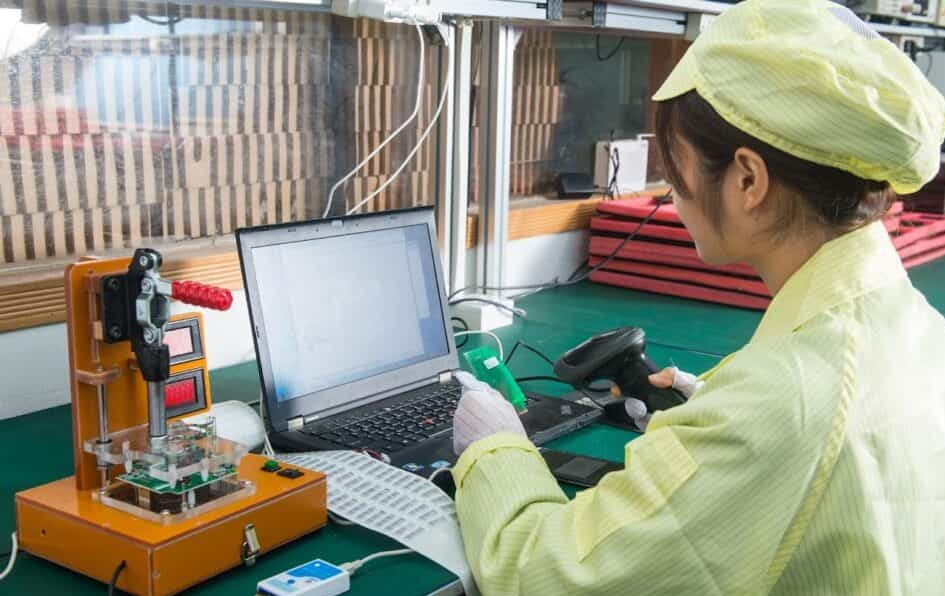
Barcode systems for traceability
Alternatives and Risk Mitigation
In tight markets, a capable partner proactively proposes equivalent alternatives and proceeds only after your approval, preventing schedule slips that delay market entry.
Step 5: Evaluate Engineering Support and DFM Services
DFM Review
Experienced engineers will recommend design optimizations such as:
Pad size and spacing refinement
Silkscreen clearances to avoid pad coverage
Thermal balance and component heat-zone layout
These steps significantly reduce rework rates and solder defects.
Communication and Responsiveness
Choose teams offering bilingual engineering support and responses within 24 hours to shorten issue-resolution cycles.
Rapid Prototyping
Strong engineering is reflected in quick-turn capability. Leading factories with dedicated prototype lines can deliver samples in 3–5 days.
Step 6: Verify Lead Time, Flexibility, and Ramp-Up Capacity
Capacity and Ramp Experience
Ensure the factory can scale smoothly from small batches to mass production to avoid delays or supplier switches that compromise consistency.
Schedule Transparency
Look for visible production plans, ERP updates, and exception alerts so you can track progress in real time.
Flexibility
The ability to handle engineering changes or urgent top-ups quickly is a core indicator of partnership resilience.
Step 7: Check Cost Transparency and Total Value
Do not judge by unit price alone. Focus on total cost of ownership (TCO):
Quotes should include PCB fabrication, component sourcing, assembly, testing, packaging, and logistics
Confirm any fixture, NRE, or expedite fees
Compare vendors using a standardized quotation template to evaluate true value
Step 8: Confirm Data Security and IP Protection
NDA Coverage
Sign a comprehensive NDA covering Gerbers, BOMs, firmware, and proprietary design files.
Information and Facility Security
Facilities with access control, segregated internal networks, and periodic security audits better protect confidentiality.
Step 9: Verify Reputation and Customer References
Review key end-markets served (automotive, industrial control, communications, medical devices)
Request recent case studies or references
Conduct online or on-site audits to validate real process capability
Final Checklist
Technical and production requirements confirmed
Equipment and certifications verified
Quality and inspection systems validated
Component sourcing and anti-counterfeit controls in place
Engineering support and DFM capability confirmed
Lead time visibility and ramp-up plan available
Transparent, comparable cost breakdown
NDA and security controls signed and implemented
Customer references checked and factory audited

Barry Ding
CEO
Email
WhatsApp
Facebook
Phone
Contact me
About us
We are PCBAYCT Electronics — your trusted partner in high-quality PCB & PCBA manufacturing, backed by 15+ years of expertise and industry-leading capabilities.
Contact us
to Begin your Bessiness